It matters because it impacts the world economy. Energy prices, food supplies, shipping routes, and inflation can all be affected.
It helps people understand humanitarian needs. Millions of civilians have faced displacement, injury, loss of homes, and trauma.
It shapes international politics. The war affects NATO, the European Union, Russia, the United States, and many other governments.
It matters for democracy and sovereignty. The conflict raises questions about borders, self-determination, and the right of countries to govern themselves.
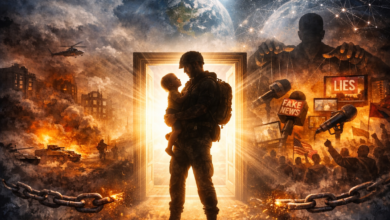
It influences news and information literacy. Following the war helps people learn how to spot misinformation and verify sources.
It affects energy and climate policy. Countries have had to rethink their dependence on Russian oil, gas, and other fossil fuels.
It reveals how modern warfare works. Drones, cyberattacks, propaganda, and satellite intelligence are all playing major roles.
It can change military spending and defense policy. Many nations are adjusting their budgets, weapons systems, and preparedness.
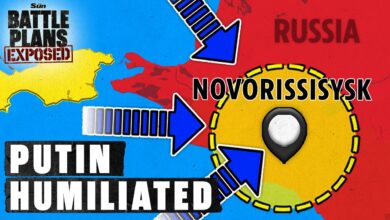
It affects global security. The war influences military strategy, alliances, and how countries think about future conflicts.
It matters because it may reshape the future world order. The outcome could influence how powerful nations behave for years to come.